A busy couple of months
3 min read
·…
tl;dr:A summary of what I have been doing over the past two months.
I have not updated the blog for the past two months. On one hand, I really have been busy; on the other, I have not known where to begin.
Probation and mental friction
I had just completed three months of probation and still felt anxious about whether I could pass the final review. During my first two months, the products I was responsible for performed terribly. I tested hundreds of strategies and spent a lot of money to no avail, while gross margin kept falling. On the most anxious days, I would go to work, tune models, read reports, and pull at my hair.
Fortunately, I took over a second major product in the third month and barely stabilized performance. Once the numbers looked better, the most important change was that I stopped second-guessing myself so much and had the energy to think about new modeling ideas again.
A strange pattern in recommender systems
I have noticed something odd. Aside from algorithm engineers at the very top companies, many recommender-systems creators I used to follow do not closely track the latest models. They share classic architectures for a while, then stop updating.
Compared with high-quality data, models are far less important.
My guess is that more than 80% of companies do not have sufficiently detailed features for high-parameter models to show their real value. That may be the gap between academic work and product work. In real scenarios, truly high-quality data is rare. At least for retrieval, tree-based models with limited features are enough for most cases.
Another surprise is that I write less and less code at work, but more and more SQL. The system architecture was built long ago; what remains is calling the algorithms correctly and efficiently. To keep my coding skills from fading, I have spent the past two months building small projects.
Things I have come across lately
I browse GitHub less often than before, but I still found a few interesting projects.
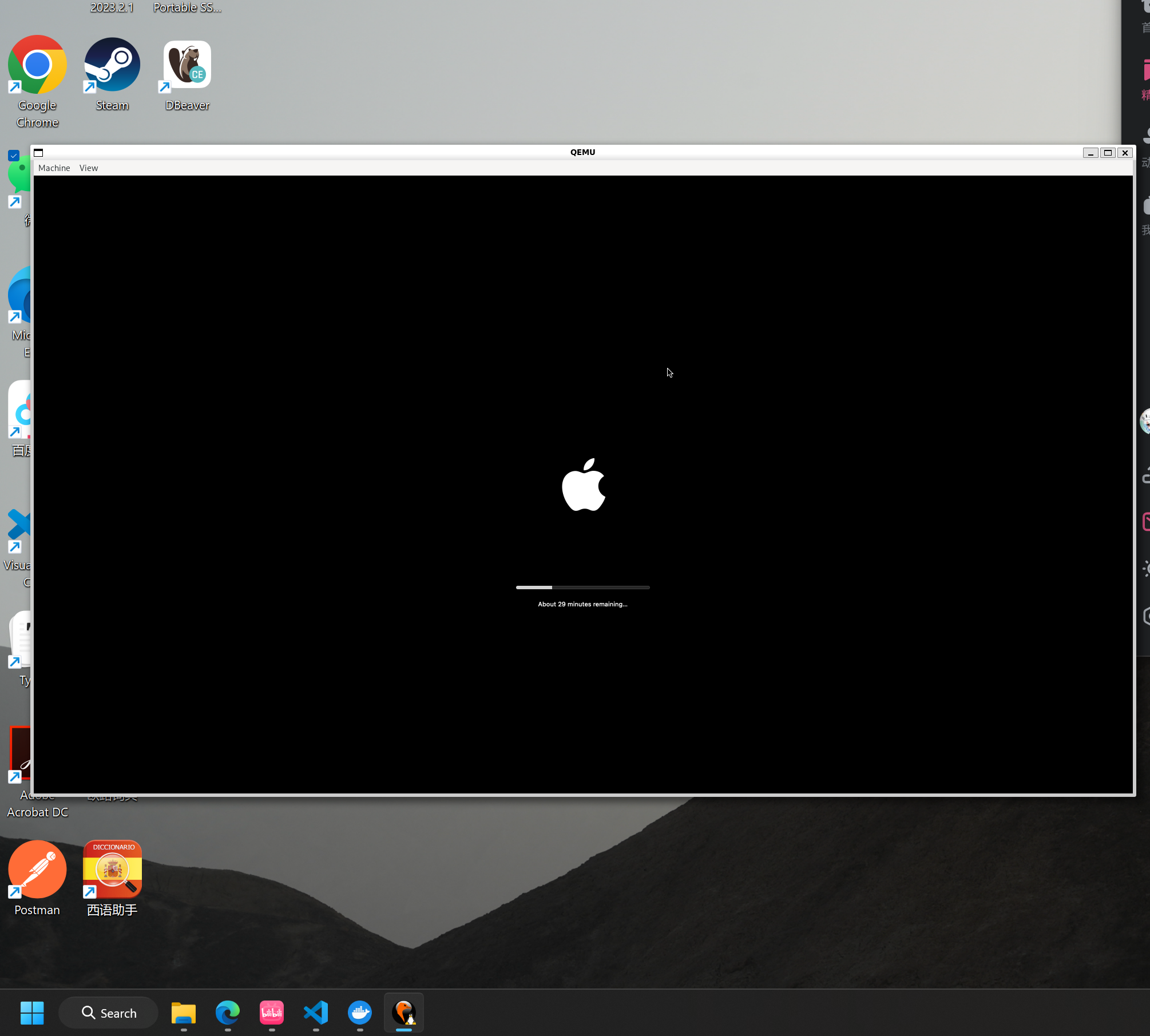
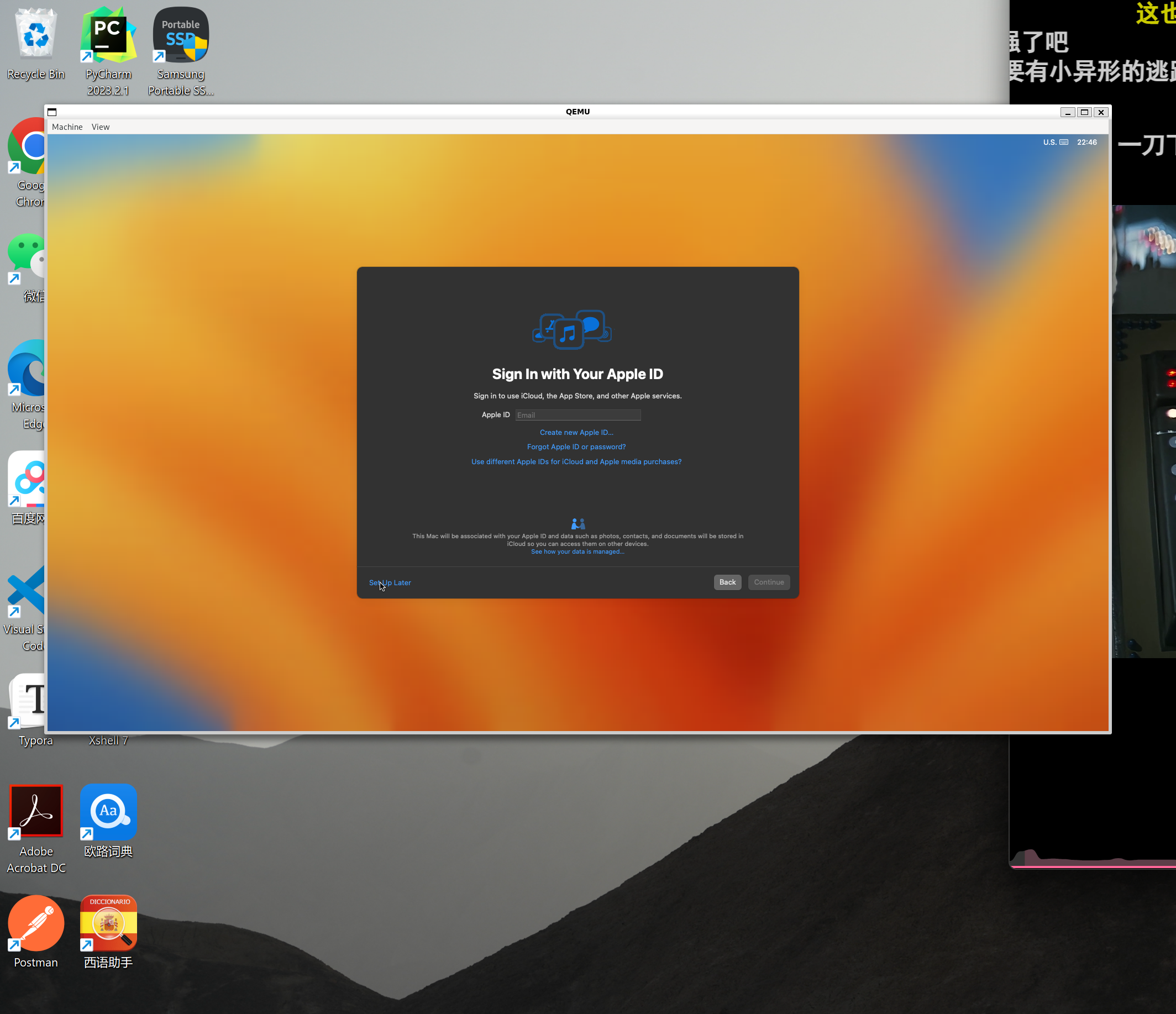
One is Docker-OSX, a macOS Docker image. It uses KVM—kernel-level virtualization—so the performance overhead is fairly high, but it is enough to let me try macOS from WSL.
Another is Deep-Live-Cam, a face-swapping project that can run on a CPU. The results are only average, but its hardware requirements are low.
I had previously configured Bing SEO. To my surprise, a post I wrote about DeepSpeed reached the top of the search results and received quite a lot of views. Haha.
September 30, 2024, in Suzhou